Podcast: I'll Start Monday
I got a chance to sit down with DJ and presenter, Keith Walsh, to discuss all things career in this podcast. We touched on lots of different topics and probably could have spoken for twice as long. It was a particularly interesting conversation because Keith himself had dealt with and successfully overcome some challenges in his own career in recent times, so he was no stranger to the topic
Read More
Dealing with Criticism
How do you react when you get criticism from your manager? Do you become defensive or are you open to listening to their feedback? Here are some tips:
Read More
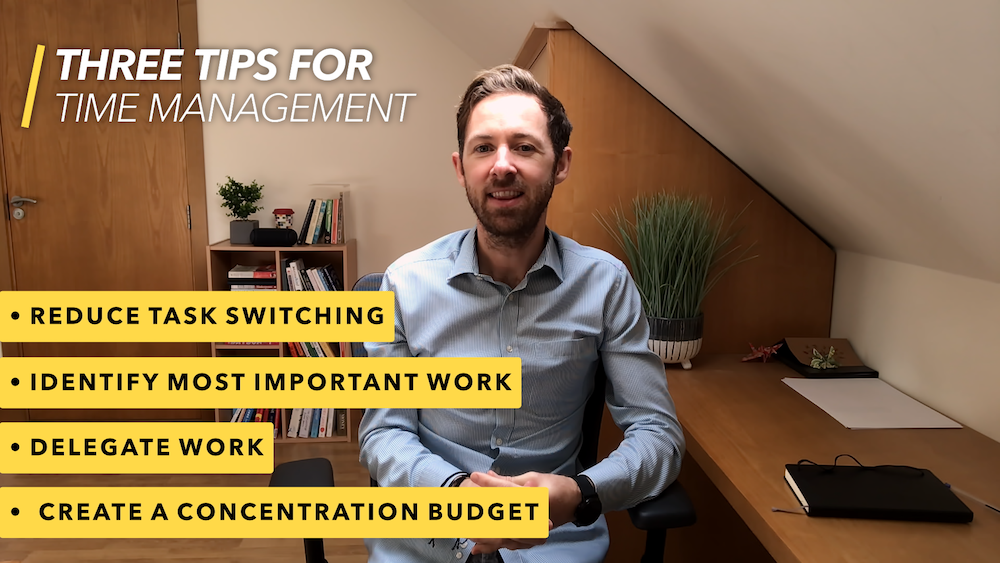
Three Tips for Time Management
Time management is one of those things that we all struggle with, from identifying what’s important and what’s not important, to learning about our own best ways to work. In this video, I outline three tips for managing time better and getting the most out of your efforts. In this video I will discuss three tips:
Read More
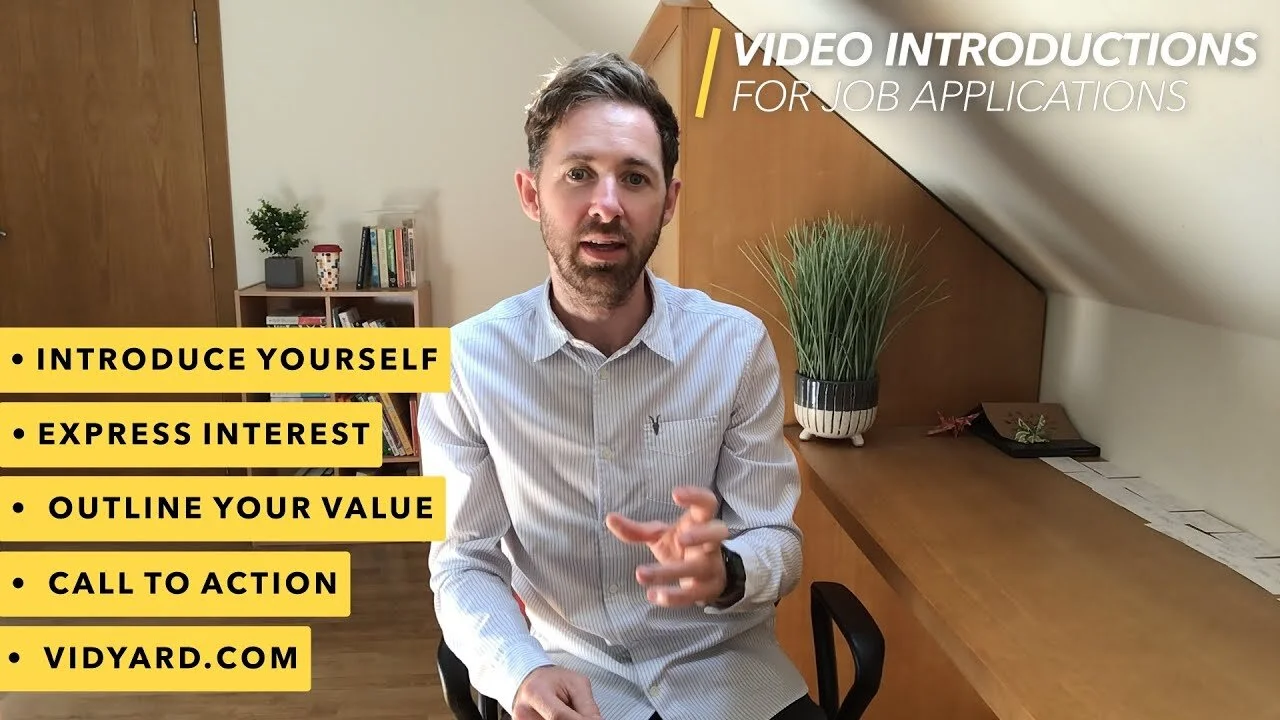
Video Introductions for Job Applications
Sometimes you might need to make a job application that stands out from the crowd. Sometimes you’ll need to explain something that an employer might miss by simply reading your application. With that in mind, it might be worthwhile sending in a video application to really get their attention. Vidyard.com is a nice app to use for this. You can download it by visiting the Chrome Web Store.
Read More
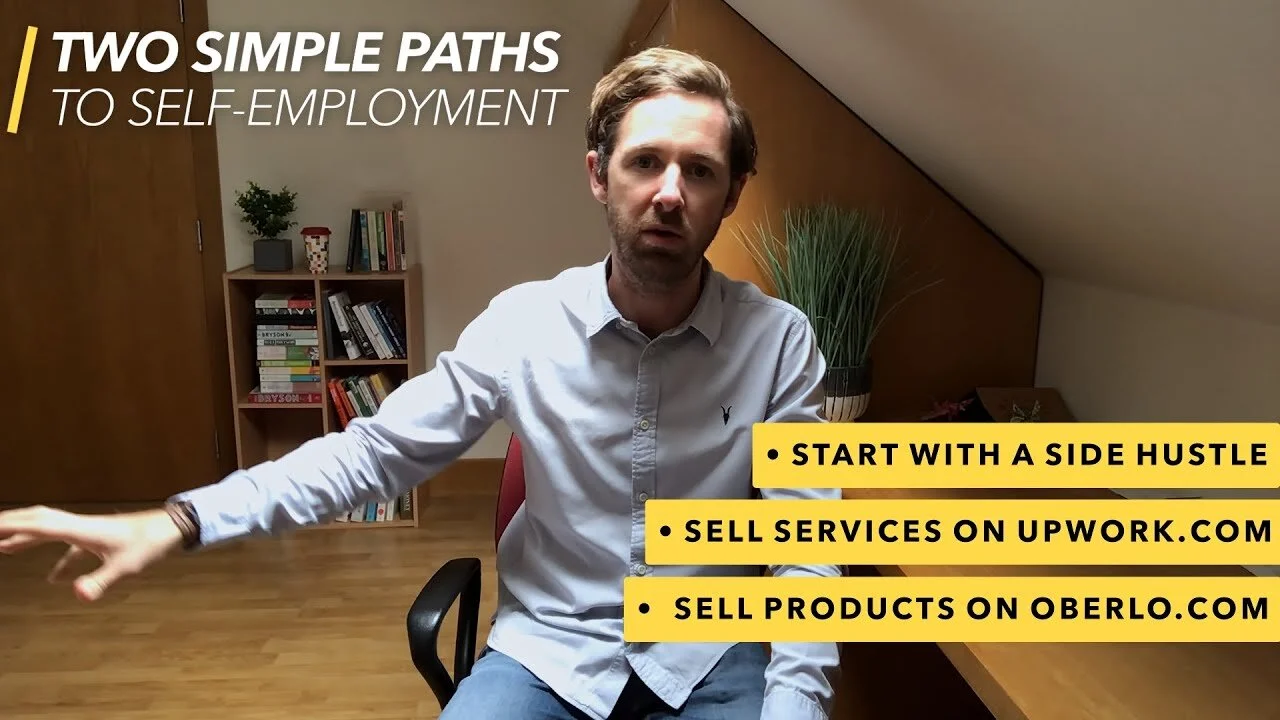
Two Simple Paths to Self-Employment
I think self-employment is going to become increasingly realistic and enticing for more and more people as we drift closer towards a remote-working environment. The COVID pandemic has shown how our jobs, companies and industries can change quickly. What were once secure jobs can suddenly (almost overnight) disappear. We may need to revisit the idea of putting all our eggs in one basket of our employer and consider spreading our income risk.
Read More
How to get a job without experience
Firstly, you must believe that it can be done! Remember that everyone has had to do it at some point.
Secondly, focus on what you do have to offer (e.g., skills, strong work ethic, volunteer experience, good attitude). Attitude is everything — if you’ve a good attitude, you can be trained. Outline your good attitude (positive, open), adaptability and ability to learn quickly. Outline any experience you’ve gained in a sports or social club, volunteer work or other extracurricular activity. Remember that you’re not expected to have done a million things when you’re young. All you have to do is put your best foot forward.
Then, simply show up! Often we can underestimate the impact of simply being on time and being consistent, but it’s really so important for building trust and demonstrating reliability.
Read More
What is your 5-year plan?
This one stumps a lot of people. I actually think it's probably outdated considering that our world moves so quickly these days — few people actually think in terms of 5-year plans. Nevertheless, if they ask you this at an interview, you'll need to have an answer ready. They want to do see that you're: Ambitious, Forward-thinking and Committed.
So we have to answer the questions: WHAT DO YOU WANT? WHY? AND HOW? What title do you want? Who do you want to become? (skills, knowledge, experience, education, network, accomplishments, industry)
Read More
Sunk Cost of Education
This video is about when you might have to consider some education you did as a sunk cost. This can often be better than trying to make it fit into your objectives.
Key points in the video include:
Read More
Using keywords to find a new job
There are basically two ways to actively search for a new job - by title or by keywords. Some people like a title because you can hang your hat on it, but the risk is that it doesn't take into account the nuances around the characteristics (e.g. autonomy, impact, teamwork culture) of a role. Also, it fails to reveal potentially interesting roles that have 'the wrong title' or a misleading title. On the other hand, keywords give people a chance to identify both the title and the characteristics of the roles they're interested in, which is why I think it's a better approach to the job hunt. But don't take my word for it — why not try both and see which works best for you?
Here are three tips to keep in mind:
Use specific keywords -
Try an exact match by using " "
Add negative keywords if necessary
Read More
Psychometric Tests
Normally, I don't encourage people to do psychometric tests to decide their career paths for a multitude of reasons. - The main reason is that I believe they promise to solve the person's career problem, but really just regurgitate data the person provided themselves. - A second reason is that they don't take into account any market factors - And a third reason I don't like them is that they don't account for the person's individual situation (competencies, experience or needs).
Read More
Deciding based on suitability... not market conditions
There's a temptation to make career decisions based on the broader market (the macro-economic environment), but is that the best strategy for you? Here are some suggestions for you to consider... - Listen to others' advice but ask... - What are you trying to solve? - You and your interests are unique
Read More
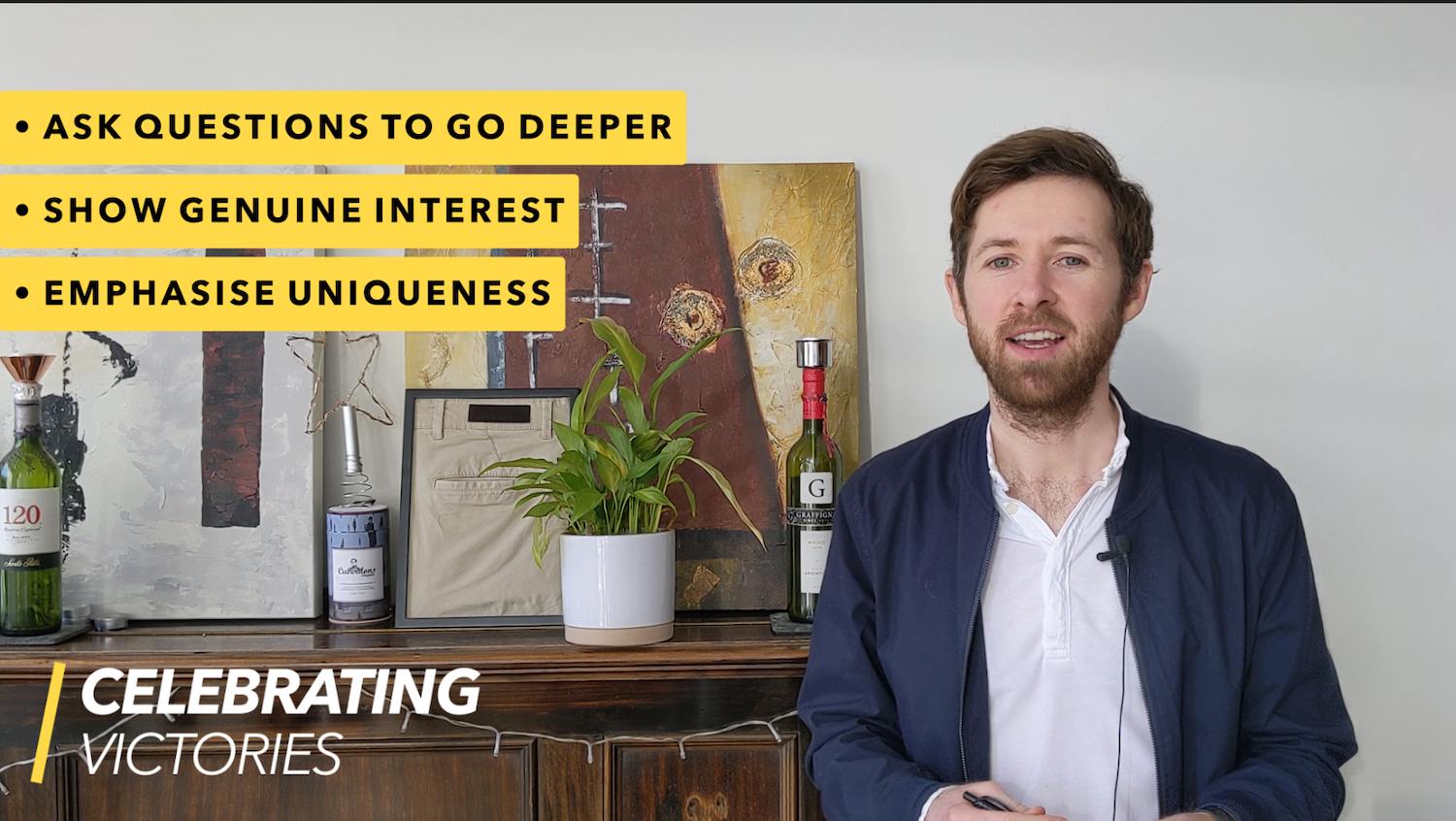
Celebrating Victories
I'm sure you know how to give someone a compliment about something they've done well, but what if you'd like to really celebrate a victory together with them? I think sometimes we spend so long in the process of achieving a goal or a KPI, so long in the struggle and then only a moment in the celebration. Even when I speak to clients about their victories sometimes there's a tendency to mention them but gloss over them kinda quickly. But I believe the longer the struggle, the longer we should celebrate the victories - at least more than a moment! Here are a few ideas that I have found useful when celebrating with clients...
Read More
Job Hunting: Active versus Passive
Simply speaking there are two types of approach to job searches: active and passive. Active is where you’re proactively dedicating time to searching for suitable opportunities online and offline, and passive is when you’re waiting for opportunities to be presented to you either through your email updates or recruiters/contacts reaching out to you. While they both can work, the approach you choose will depend on your urgency regarding changing roles. In my opinion, it’s best to adopt the active approach because it will mean that you’ll put more focus and effort into it, ultimately improving your chances of getting a good job.
Read More
How to coach anyone on anything (even yourself)
Coaching is a process of facilitating someone finding answers to their questions. Mentoring on the other hand is generally about transferring specific knowledge, tips or subject matter expertise from one person to another. The two can often be mixed together which may confuse some people. Obviously, you can't mentor anyone on anything because you'd have to have that specific knowledge, whereas if you have the right questions and approach, you can coach anyone on anything.
Read More
3 Apps for Productivity
Google Tasks - a free cross-platform app that's great for simple to-do lists and reminders.
Serene - is a super app for anyone who is looking to develop their ability to do deep work. It gives you space to set out your main tasks for the day, and then crucially sets a timer for once you start... so, you're on the clock!
Read More
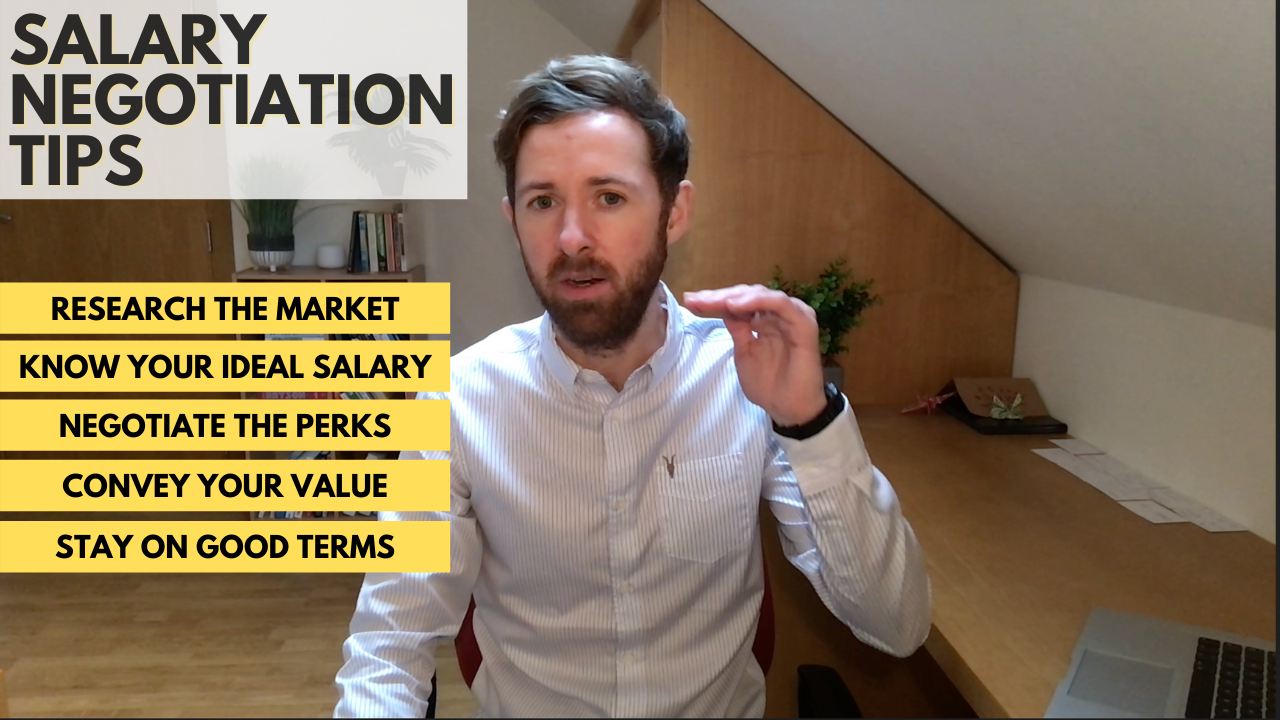
Salary Negotiation Tips
Negotiating anything can get complex very quickly. It's crucial to know your 'need to have's' and your 'nice to have's' so that you come out of the negotiation know you were focused. Here are some other tips to help you get the best outcome:
Read More
The Passion Paradox
It's very common to hear advice like "follow your passion" - I've given that advice to people myself. But there are a couple of things to be wary of before taking that advice. Following your passion is fine IF
- you already have a passion
- you can ensure a stable income from it and
- it meets your other needs such as connection and growth.
Read More
The Confidence Checklist
Recently, I've spent a lot of time thinking about confidence. And I'm really interested in how we can continuously build and maintain it in a way that works for each of us. I don't expect that what works for me will be exactly right for you, but I'm hoping that by sharing what works for me, it might help you figure out what will help you to build a sustain confidence.
Read More
Interview with Stella Magazine
I think people find virtual interviews trickier because they feel it's difficult to get a sense of the interviewers; body language may be harder to read and there's always an element of anxiety over whether the technical setup will work well (e.g. WIFI, camera, audio). That's why it's important to test your technical setup, login, WIFI, audio and video with a friend first. Have a backup computer (or phone) if something goes wrong at the last minute. Of course, have the app (Zoom) downloaded in advance on your phone - just in case. If the audio fails on your computer, get ready to use your phone for a phone call while keeping the video going. And of course, make sure it's charged up. Make sure to have a nice background or a neutral one at least - avoid a messy bed or anything that could distract the interviewer or take away from you as a professional. Remember to look at the camera if possible, and sit a good distance from the screen - personally, I like if people can see head, shoulders and hands, much like if we were sitting at a table in front of each other.
Read More
Video: New Job? Start On The Right Foot - Top Tips
Keep a learning log and a journal of your tasks
Ask lots of questions so that you get up to speed quickly
Find out what your KPIs are and what success in your role looks like
Figure out what the company and your team's objectives are for the next 6 months/year
Learn how your team likes to work and communication
Read More